01
Project implementation and delivery
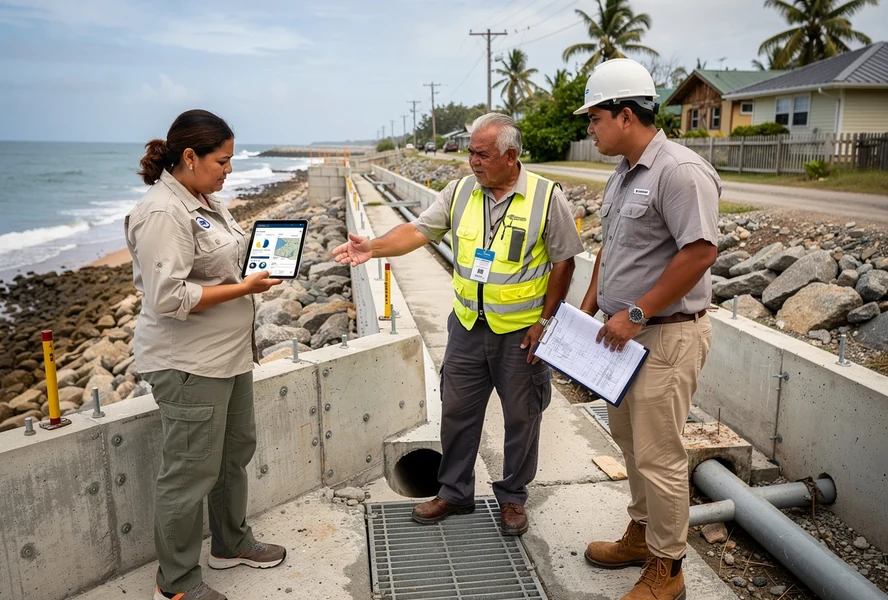
Follow climate and development projects from commitments through procurement, implementation, monitoring, and reported delivery.
Project implementation →
Climate Probity brings together project information, counterparties, institutional records and public sources across climate and development finance. We help institutions and other stakeholders understand what the available record establishes, identify material risks and information gaps, and make better-informed decisions.
Follow climate and development projects from commitments through procurement, implementation, monitoring, and reported delivery.
Project implementation →
Test whether reported results and impact claims are supported by the underlying project evidence.
Results and impact →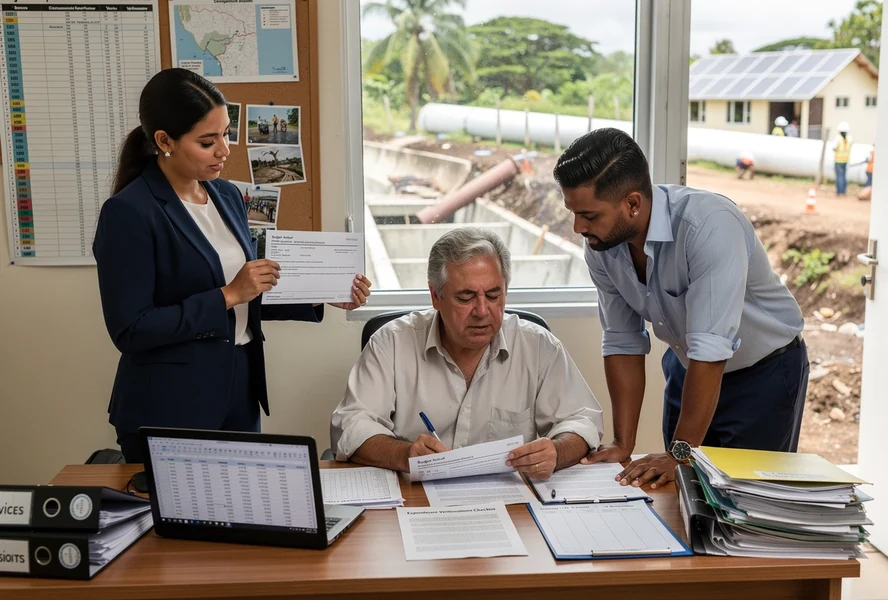
Trace how development finance moves through projects, implementing entities, contractors, and counterparties, and whether that use is supported by the record.
Financial flows →
Compare project reporting across records to identify gaps, inconsistencies, and weaknesses in data quality or transparency.
Data integrity →
Examine safeguards, stakeholder impacts, and environmental and social risks across project delivery.
Safeguards and risk →
Review monitoring systems, verification processes, assurance records, and the evidence supporting reported performance.
Monitoring and assurance →Our work rests on source traceability, transparent review, qualified human judgment and proportional interpretation. The aim is to produce analysis that is accurate, defensible and useful for the decisions it is intended to support.
Read the standards →Link every substantive output to identifiable source records.
Make the path from record to review question or finding clear and reviewable.
Match language and conclusions to the strength and completeness of the evidence.
Apply context, professional judgment, and relevant local or sector knowledge.
State what the evidence supports, what remains uncertain, and what warrants further review.
Working methods and analytical tools connect project, procurement, counterparty and public records, surface review questions, trace analysis to evidence and support expert judgment.
Broader source coverage, secure analytical environments, quality assurance, specialist review capacity and operating procedures for institutional engagements.
Independent intelligence and decision support for institutions, alongside public-interest research and analysis where broader disclosure advances transparency or accountability.
Select a cell in the matrix to move from a portfolio pattern to the project, review question, and source records behind it.
The same evidence base can support climate funds, development banks, donor governments, oversight bodies, implementers, researchers, and civil society. Each user retains the judgment and authority that comes with its mandate.
Support project review, due diligence, portfolio monitoring and risk prioritization with connected evidence and counterparty context.
Organize project, procurement, entity and public records for qualified audit, assurance, preventive integrity, investigation and accountability review.
Support research, journalism, and civil-society accountability with traceable project-level and systemic evidence.
Climate Probity provides independent intelligence and analysis across climate and development finance to help users understand the record, identify material risks, and make better-informed decisions.